24/7 Emergency Service
 718-785-5522
 718-785-5522
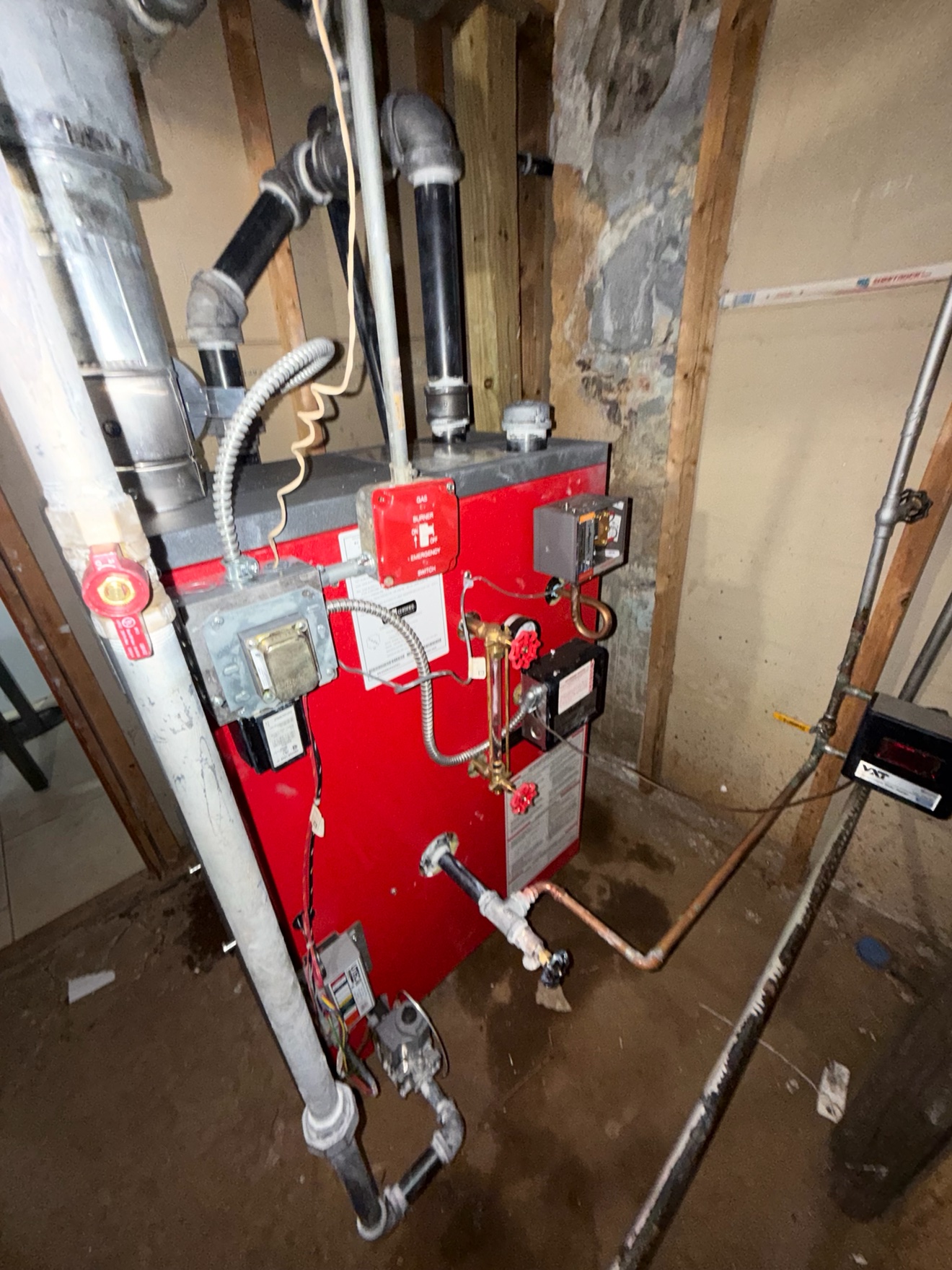
If your home has radiators, you have probably heard two names for the heat behind them: steam and hydronic. Both use a boiler, both can keep a New York City home warm, and both suit different homes. The right choice usually depends on what your home already has, how it is built, and how you want heat to feel from room to room.
Published November 22, 2026
We hear this question often in Ozone Park, Howard Beach, and nearby Queens at the start of the heating season. This post answers it at the decision level: how each system works, which homes each suits, the pros and cons, who should not switch, and when to call a pro for an in-person look.
A steam boiler heats water until it turns to steam. The steam travels through pipes to the radiators in your rooms, gives off heat as it cools, and then turns back to water and returns to the boiler. Radiators get hot in cycles, so rooms can feel warm, then cooler, then warm again. Many pre-war buildings in New York City were built for steam, and their piping, radiators, and vents were sized for it.
Steam can heat a home quickly once the boiler is running, and it needs no pump to move heat to the radiators. It can also be noisy when pipes and radiators expand, and heat can be uneven if radiators or vents are not matched to the rooms they serve. A licensed pro can tell you whether uneven heat is a system fit problem, a sizing problem, or a part that needs attention.
A hydronic boiler heats water, not steam, and circulates that hot water through pipes to radiators or baseboard heaters. The water gives off heat, cools a little, and returns to the boiler to be heated again. Because the water stays hot and keeps moving, heat tends to feel steadier and quieter than steam.
Hydronic systems can also be split into zones, so different parts of a home can be heated to different levels. That is a good fit for homes with baseboard heat, for additions, and for homes where one floor is used more than another. Our heating systems in Queens page covers the systems we install and service, and our boiler installation and repair page covers boiler work in more detail.
Steam often suits pre-war buildings and older homes in Queens and near-office Brooklyn that already have steam radiators and steam piping in good shape. If the radiators, piping, and boiler are matched and the system has been cared for, steam can keep serving that home well.
Hydronic heat often suits homes with baseboard heaters or hot-water radiators, homes that were built or updated for hot water, and homes where steady, quiet heat and zoning matter. It also suits many one- and two-family homes in Ozone Park, Howard Beach, and Valley Stream where owners want more even heat from room to room.
If you are not sure which system you have, ask a pro to look at the whole system with you, not by guessing from age alone. Some homes have a mix of older radiators and newer parts, and the right answer depends on the whole system.
Steam heat
Hydronic heat
Most homeowners should not switch from steam to hydronic, or the other way, just because one sounds newer. A switch usually means new piping, new radiators or baseboard, new controls, and a new boiler, and it can change how every room heats. It is also the wrong move when the current system is in good shape and the real problem is sizing, a weak part, or a control setting.
Do not switch based on a brand name or a single visit from a neighbor. Ask a licensed pro to look at the whole home, the radiators, the piping, and how you use each room, and to explain the options in plain terms. If you choose a new installation with us, it carries a 48-month labor warranty on installations.
Steam is the wrong fit when a home has baseboard heat, when rooms need steady heat at different levels, or when the steam piping and radiators are in poor shape and would need a full rebuild to work well. Hydronic is the wrong fit when a pre-war home has sound steam radiators and steam piping, when the building layout makes hot-water piping hard to run, or when the goal is only to fix one cold room.
In both cases, the wrong fit shows up as rooms that never feel right, a boiler that runs too often, or heat that arrives late on cold nights. Those are signs to call a pro for an assessment, not to keep adjusting the system on your own.
If you smell gas or a carbon monoxide alarm sounds, leave the home and call the gas utility or us. We are available 24/7 for heating help in Ozone Park, Howard Beach, nearby Queens, and Valley Stream, including heating and boiler repair in Howard Beach, Queens.
Have a heating question? Call Best & Fast Heating, Plumbing & Air Conditioning at (718) 785-5522, visit us at 96-14 Liberty Ave, Ozone Park, NY 11417, or Book Online - every question goes straight to our team, and the ones we hear most become new posts here.